R432-270-27(1)
Policy and local ordinance
An ordinary household pet is optional for the licensee and subject to both local ordinance and the facility's policy.
Utah rule-reading guide · ordinary pets and separate accommodation questions
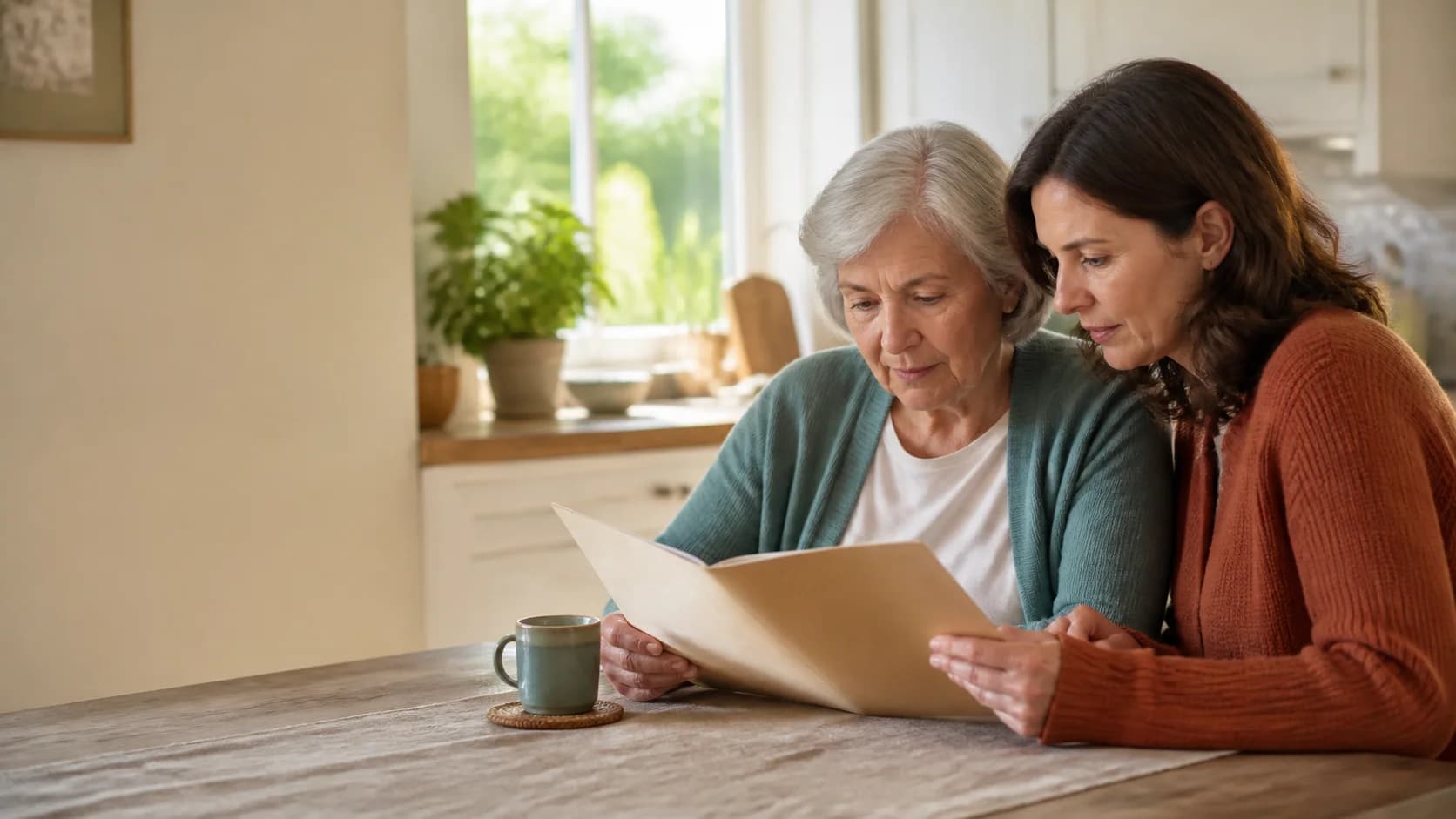
Utah's current DLBC checklist says an assisted-living licensee may allow an ordinary household pet when local ordinance and facility policy permit it; it does not make every community pet-friendly. Get the exact animal, care backup, visiting, fee, and refund terms in writing before a deposit or move.
The direct answer
The current Utah DLBC checklist states at R432-270-27(1) that a licensee may allow a resident to keep household pets—including examples such as dogs, cats, birds, fish, and hamsters—when local ordinance and facility policy permit it. “May allow” is not a promise that a community accepts a particular animal today. Ask for the current written policy and identify the applicable local rule rather than relying on a search filter, old brochure, or verbal summary.
What Section 27 actually covers
R432-270-27(1)
An ordinary household pet is optional for the licensee and subject to both local ordinance and the facility's policy.
R432-270-27(2)–(4)
The checklist calls for a clean, disease-free pet, a clean environment, and an appropriate enclosure for a small pet such as a bird or hamster.
R432-270-27(5)
The licensee may not permit a pet that displays aggressive behavior in the facility. The source does not create a breed list or decide a particular animal's behavior.
R432-270-27(6)
A pet kept at the facility or visiting frequently must have current vaccinations. Ask which current documentation applies to the species involved.
R432-270-27(7)
A family member may bring a resident's pets to visit upon administrator approval. Approval, timing, location, and documentation still need a direct answer.
R432-270-27(8)–(9)
Facilities permitting birds need procedures aimed at preventing psittacosis transmission. Pets are barred from central food preparation, storage, and dining areas and from significant health-or-safety-risk areas.
These checklist lines describe Utah licensing review points. They are not a current finding about any community, proof that an animal is accepted, or a conclusion about a person's rights or care fit.
The rule is not a price sheet
R432-270-27 does not state a pet-rent schedule, deposit amount, refund formula, or animal-care service price. A written community quote should identify the same scope you use for every finalist.
Before a deposit or signature
Keep the dated policy, quote, fee schedule, and agreement with your family records. Haven does not accept those documents and cannot confirm a pet, accommodation, opening, care plan, price, refund, or admission decision.
Review fees, deposits, refunds, house rules, and transfer terms before signing.
Open guide →Bring the same animal-policy, environment, and written-price questions to every tour.
Open guide →Separate planning context and starting rates from the actual all-in written quote.
Open guide →Return to the current R432-270 source map and its limits.
Open guide →No blanket ordinary-pet requirement appears in R432-270-27. The current DLBC checklist says a licensee may allow a resident to keep household pets when local ordinance and facility policy permit it. Verify the current local rule and the exact community's written policy before relying on a pet-friendly label.
R432-270-27(7) says a family member may bring a resident's pets to visit upon administrator approval. Ask how approval works, where the visit may occur, and whether vaccination or other documentation is required. That line does not establish approval for a particular visit.
The pet section of the current DLBC checklist does not set an ordinary-pet rent, deposit, refund, species-count, size, or breed schedule. Local ordinance, facility policy, an admission agreement, and a written fee schedule may answer different parts of those questions. Obtain the exact current terms in writing.
R432-270-27(9) says pets may not be permitted in central food preparation, storage, or dining areas, or anywhere their presence would create a significant health or safety risk to others. Ask how the community applies that rule to its actual spaces.
The checklist says a pet kept at the facility or visiting frequently must have current vaccinations, but the pet section does not list a species-specific vaccine schedule. Ask the community to identify its current documentation rule and the appropriate veterinary or public authority for the animal involved.
Do not assume so. The Utah Labor Commission's general fair-housing guidance says assistance animals are not pets and discusses disability-related accommodation. Whether and how that guidance applies to a particular assisted-living setting or request can depend on facts and law outside R432-270-27. Ask the appropriate agency or a qualified adviser; do not send disability or animal records to Haven.
No. A directory label, old brochure, or general policy cannot prove that the current local ordinance, facility policy, animal, residence, staffing plan, fee terms, or opening works for a particular move. Confirm each item directly and in writing.
Reviewed August 26, 2026. The linked DLBC assisted-living inspection checklist identifies its last change as May 20, 2026. Rules, ordinances, agency guidance, facility policies, fees, and animal circumstances can change. Verify the current official and community sources. This page is general information, not legal, veterinary, housing, or medical advice; it is not a pet acceptance, accommodation, opening, care-fit, safety, price, refund, agreement, or placement result.